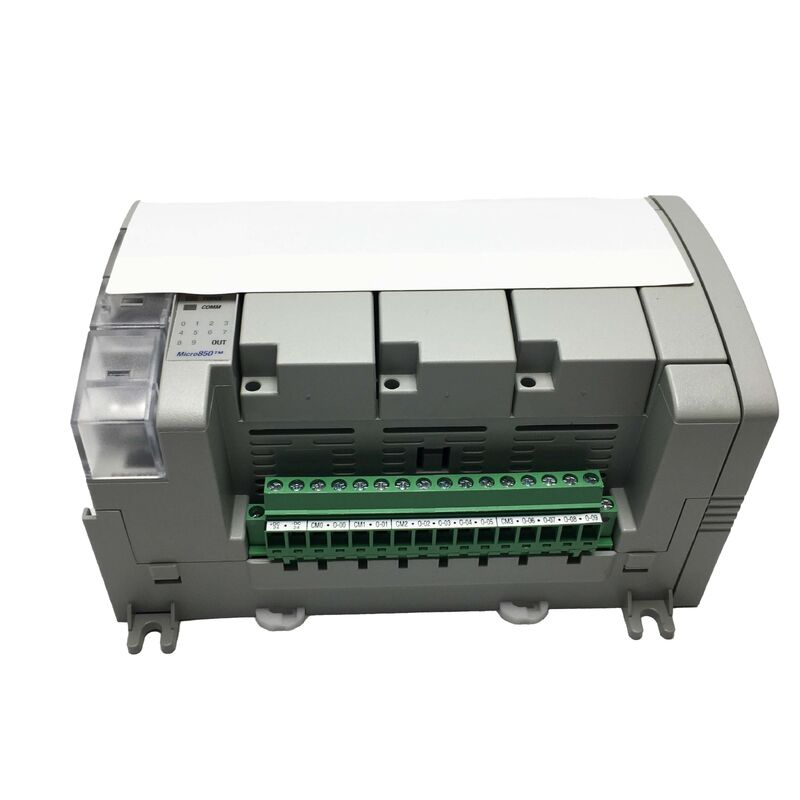
کنترلر EtherNet/IP میکرو 850 آلن-برادلی 2080-L50E-24QWB
این آلن-برادلی 2080-L50E-24QWB یک کنترلر قابل برنامهریزی EtherNet/IP میکرو 850 با 24 نقطه است که دارای 14 ورودی دیجیتال با ولتاژ 24 ولت DC یا AC و 10 نقطه خروجی رله است. این پیکربندی QWB مزایای قابل توجهی را برای کاربردهای سوئیچینگ ولتاژ مختلط و بار AC ارائه میدهد که در آن خروجیهای ترانزیستوری به رلههای رابط اضافی نیاز دارند.
مرور کلی کنترلر
این کنترلر میکرو 850 موقعیت میانی را در خانواده میکرو 800 اشغال میکند و دارای پورت اترنت داخلی 10/100Base-T، پورت سریال RS232/485 غیر ایزوله و پورت برنامهریزی USB است. این دستگاه از حداکثر چهار ماژول ورودی/خروجی توسعه سری 2085 پشتیبانی میکند و شامل سه اسلات پلاگین برای ماژولهای عملکرد تخصصی است که آن را برای کاربردهایی که نیاز به قابلیتهای توسعه آینده دارند، ایدهآل میسازد.
مشخصات کلیدی
| پارامتر |
مقدار |
| ورودیهای دیجیتال |
14 × 24 ولت DC/AC |
| خروجیهای دیجیتال |
10 × رله |
| منبع تغذیه |
24 ولت DC |
| کانالهای HSC |
حداکثر 4 |
| حافظه برنامه |
10 هزار مرحله برنامه |
| حافظه داده |
20 کیلوبایت |
| اترنت |
10/100Base-T (EtherNet/IP، Modbus TCP/IP) |
| پورت سریال |
RS232/485 (غیر ایزوله) |
| USB |
پورت برنامهریزی |
| اسلاتهای پلاگین |
3 |
| ورودی/خروجی توسعه |
حداکثر 4 ماژول |
| حداکثر کل ورودی/خروجی |
حداکثر 132 نقطه دیجیتال (با توسعه) |
مزایای خروجی رله
10 خروجی رله، کنتاکتهای بدون پتانسیل را ارائه میدهند که از نظر الکتریکی از مدار تغذیه کنترلر ایزوله شدهاند. این امر امکان سوئیچینگ بارهای AC یا DC را بدون نگرانی در مورد قطبیت یا اشتراکگذاری بازگشت مشترک فراهم میکند و آنها را برای کاربردهایی با نیازهای ولتاژ مختلط یا بارهای وظیفه پایلوت القایی ایدهآل میسازد.
قابلیت ورودی دوگانه AC/DC
14 ورودی، هر دو ولتاژ 24 ولت DC و AC را مستقیماً میپذیرند و نیاز به رلههای شرطیسازی سیگنال اضافی را در کاربردهای بازسازی با سیمکشی میدانی AC موجود از بین میبرند. چهار ورودی به عنوان کانال شمارنده با سرعت بالا برای بازخورد انکودر، ورودیهای پالس فلومتر و کاربردهای اندازهگیری فرکانس قابل تنظیم هستند.
اتصال شبکه
پورت اترنت تعبیه شده، EtherNet/IP را برای ادغام اکوسیستم آلن-برادلی و Modbus TCP/IP را برای ارتباط با دستگاههای شخص ثالث پشتیبانی میکند. کنترلر میتواند به طور همزمان با حداکثر 8 گره اترنت ارتباط برقرار کند و نیازهای معمول ماشینهای مستقل یا سلولهای تولیدی کوچک را پوشش دهد.
قابلیتهای توسعه
کنترلر از طریق سه اسلات پلاگین برای ماژولهای عملکرد تخصصی و چهار اسلات ماژول توسعه برای افزودن نقاط ورودی/خروجی حجیم، رشد میکند. این معماری توسعه دوگانه از حداکثر 132 نقطه ورودی/خروجی دیجیتال پشتیبانی میکند و در عین حال انعطافپذیری را برای کاربردهای کنترل آنالوگ، دما و حرکت حفظ میکند.
برنامهریزی و نرمافزار
برنامهریزی با استفاده از نرمافزار Connected Components Workbench (CCW) Rockwell Automation انجام میشود که از تمام زبانهای IEC 61131-3 از جمله نمودار نردبانی، نمودار بلوک تابع، متن ساختاریافته و نمودار توالی عملکرد بدون نیاز به مجوز اضافی پشتیبانی میکند.
سوالات متداول
تفاوت بین 2080-L50E-24QWB و 2080-L50E-24QBB چیست؟
هر دو کنترلر از نظر ارتباطات، توسعه و قابلیتهای پردازش یکسان هستند. QWB دارای 10 خروجی رله برای سوئیچینگ AC/DC است، در حالی که QBB دارای 10 خروجی غرقکننده ترانزیستوری فقط برای بارهای 24 ولت DC است. QWB را برای کاربردهای ولتاژ مختلط و QBB را برای سوئیچینگ سریعتر DC انتخاب کنید.
کنترلر با توسعه به چند نقطه ورودی/خروجی کل پشتیبانی میکند؟
با شروع از 24 نقطه داخلی، افزودن چهار ماژول توسعه سری 2085 با 32 نقطه، به حدود 132 نقطه ورودی/خروجی دیجیتال میرسد. سه اسلات پلاگین ماژولهای عملکرد تخصصی را بدون اشغال اسلاتهای توسعه اضافه میکنند.
چه نرمافزاری برای برنامهریزی لازم است؟
Connected Components Workbench (CCW) نرمافزار رایگان Rockwell Automation است که از تمام زبانهای برنامهریزی IEC 61131-3 پشتیبانی میکند و شامل حالت شبیهسازی برای تست آفلاین است.
آیا کنترلر میتواند با دستگاههای Modbus ارتباط برقرار کند؟
بله، پورت اترنت از Modbus TCP/IP و پورت سریال RS232/485 از Modbus RTU پشتیبانی میکند و آن را برای کاربردهایی که نیاز به ارتباط با دستگاههای میدانی Modbus قدیمی دارند، مناسب میسازد.
آستانه ورودی پایین 14 ولت در عمل به چه معناست؟
آستانه حداقل 14 ولت، تشخیص ورودی قابل اعتماد را در سیستمهایی با افت ولتاژ یا کابلهای طولانی تضمین میکند. یک منبع تغذیه نامی 24 ولت که به 18 ولت افت میکند، همچنان یک منطق 1 معتبر تولید میکند و حاشیه راحتی را برای شرایط واقعی منبع تغذیه فراهم میکند.



 پیام شما باید بین 20 تا 3000 کاراکتر باشد!